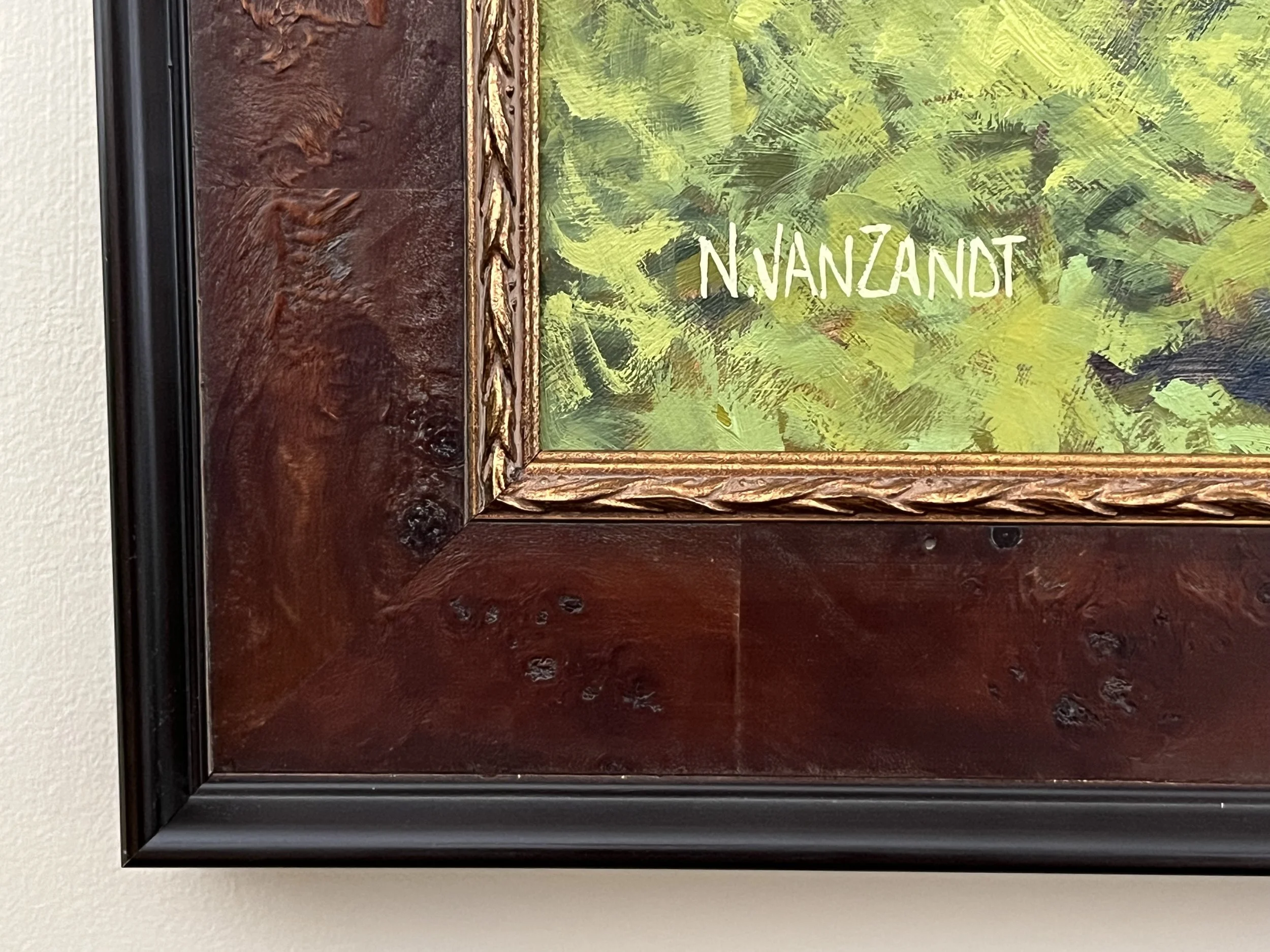
The Role of the Frame in Landscape Art
Over the past several years, I’ve noticed framing trends shifting. Floating frames, once mostly associated with contemporary work, have become common for many types of paintings. At the same time, traditional gold frames—once considered somewhat old-fashioned—are beginning to reappear.
Watching these changes raises an interesting question for a landscape painter: should the frame follow design trends, or should it primarily serve the painting itself?
Framing is more than a finishing detail; it shapes how a painting is experienced in a room. A frame creates the boundary between the artwork and the room. It marks the transition from the wall into the space of the painting.
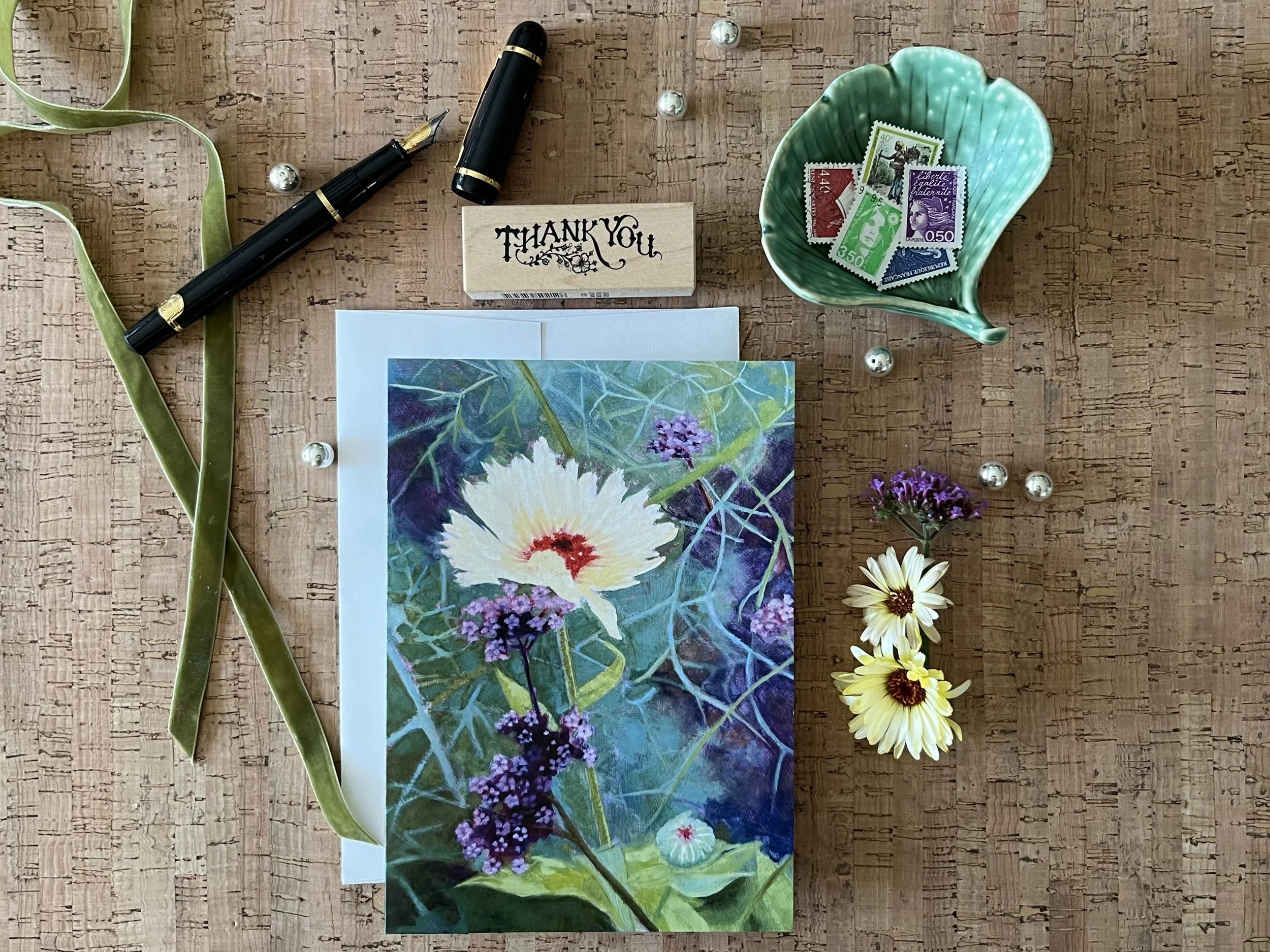
Why Letter Writing Still Matters
In a world filled with instant messaging, the slow, intentional act of writing a letter may feel outdated. However, there is something uniquely powerful about putting pen to paper, something that connects hearts across miles.

A Quiet Space
For many years I used to haul my painting gear from my home to my car, and to the studio space, which I used twice a week at the Art Students League of Denver. After each session, I would scrape out my precious paints, clean out my easel and brushes, pack my gear, and lug it all back into the car.

Finding My Way Back to Making
Growing up in Côte d'Ivoire, school was out from June to September during the monsoon season. That’s when I spent my time creating. On these long rainy days, when I could not play outdoors with my friends, I was content making art: drawing, making paper dolls, painting plaster santons, and hand-sewing doll clothes.